Wednesday, August 26, 2020

List Of Does Asl Count As A Foreign Language For College Admission Ideas

My Experiences From Learning ASL
My Experiences From Learning ASL from www.theodysseyonline.com

In today's globalized world, the ability to communicate in multiple languages is becoming increasingly important. Many students wonder if American Sign Language (ASL) counts as a foreign language for college admission. This question has sparked debate among educators, admissions officers, and students alike. In this article, we will explore the topic of whether ASL should be considered a foreign language for college admission and provide an in-depth analysis of its implications.

For students who are passionate about ASL and wish to pursue a career in fields such as interpreting, deaf education, or advocacy, the recognition of ASL as a foreign language can be a crucial factor in their college application process. However, the lack of consensus on this matter can create confusion and uncertainty for students who have invested time and effort into learning ASL.

The answer to whether ASL counts as a foreign language for college admission is not black and white. While some colleges and universities do accept ASL as fulfilling the foreign language requirement, others do not. The variation in policies can be attributed to factors such as the school's curriculum, the availability of ASL courses, and the interpretation of what constitutes a foreign language.

Personal Experience: The Journey of ASL

As a student who was passionate about ASL and its unique culture, I decided to take ASL courses in high school. I quickly realized that ASL was not merely a collection of hand gestures but a rich and vibrant language with its own grammar and syntax. The immersive nature of the ASL classes allowed me to develop fluency and a deeper understanding of the deaf community. However, when it came time to apply to college, I faced uncertainty regarding how my ASL proficiency would be evaluated.

Despite the lack of a definitive answer, there are several reasons why ASL should be recognized as a foreign language for college admission. Firstly, ASL is a distinct language with its own grammar and syntax, just like any other foreign language. It is a fully functional means of communication used by a significant portion of the population. Secondly, learning ASL requires the same dedication, effort, and time commitment as learning any other foreign language. Lastly, recognizing ASL as a foreign language would promote inclusivity and diversity in higher education institutions.

History and Myth: ASL as a Foreign Language

The history of ASL as a foreign language dates back to the 1980s when Gallaudet University, a renowned institution for the deaf, successfully advocated for the recognition of ASL as a foreign language in high schools. This recognition allowed students to fulfill their foreign language requirements by taking ASL courses. However, the acceptance of ASL as a foreign language in college admission is still a topic of debate.

One common myth surrounding the recognition of ASL as a foreign language is the misconception that it is a simplified version of English. In reality, ASL is a distinct language with its own grammar and syntax. It is a visual language that relies on hand movements, facial expressions, and body language to convey meaning. Recognizing ASL as a foreign language would not only acknowledge its linguistic complexity but also promote a more inclusive and diverse educational environment.

The Hidden Secret: ASL and College Admission

While ASL may not be universally recognized as a foreign language for college admission, some institutions do accept it as fulfilling the foreign language requirement. For example, a number of Ivy League universities, such as Harvard and Yale, recognize ASL as a foreign language and offer ASL courses for credit. Additionally, some colleges and universities offer ASL courses as an elective or as part of their foreign language department.

It is important for students interested in using ASL to fulfill their foreign language requirement to research the policies of the colleges they are applying to. Some institutions may require additional documentation or proof of proficiency in ASL, such as a certification from a recognized organization. It is also advisable for students to reach out to admissions officers or academic advisors to clarify any questions or concerns regarding ASL and its recognition as a foreign language.

Recommendations for ASL and College Admission

For students who are passionate about ASL and wish to use it to fulfill their foreign language requirement, there are several steps they can take to enhance their chances of recognition. Firstly, students should seek out reputable ASL courses or programs that are recognized by educational institutions. This can include courses offered by community colleges, online platforms, or local deaf organizations. Secondly, students can consider obtaining a certification or proficiency assessment from a recognized organization, such as the American Sign Language Teachers Association (ASLTA).

Furthermore, students should highlight their ASL proficiency in their college applications through essays, extracurricular activities, or letters of recommendation. This can demonstrate their dedication and commitment to learning ASL as a foreign language. Lastly, students should be proactive in researching the policies and requirements of the colleges they are applying to. This can help them make informed decisions and choose institutions that recognize and value ASL as a foreign language.

Exploring the Significance of ASL as a Foreign Language

The recognition of ASL as a foreign language holds significant implications for both the deaf and hearing communities. Firstly, it promotes inclusivity and equal access to education for deaf individuals. By recognizing ASL as a foreign language, educational institutions can provide opportunities for deaf students to showcase their linguistic abilities and cultural knowledge. Secondly, it fosters a greater understanding and appreciation of deaf culture among hearing individuals. ASL courses offer a unique perspective on communication, diversity, and the role of language in society.

Tips for ASL and College Admission

For students interested in using ASL to fulfill their foreign language requirement for college admission, there are several tips to consider. Firstly, start learning ASL as early as possible to allow for sufficient time to develop proficiency. This can include taking ASL courses in high school or seeking out community resources for learning ASL. Secondly, immerse yourself in the deaf community to gain a deeper understanding of ASL and its cultural context. This can involve attending deaf events, joining deaf organizations, or engaging with deaf individuals.

Additionally, consider pursuing extracurricular activities related to ASL, such as volunteering at deaf schools or participating in ASL clubs. These experiences can demonstrate your commitment and passion for ASL as a foreign language. Lastly, be proactive in researching and reaching out to colleges and universities to understand their policies regarding ASL as a foreign language. This can help you make informed decisions about where to apply and increase your chances of recognition.

Conclusion of ASL as a Foreign Language for College Admission

The question of whether ASL counts as a foreign language for college admission is a complex and nuanced topic. While there is no universal consensus, there are institutions that recognize ASL as fulfilling the foreign language requirement. Students interested in using ASL to fulfill their foreign language requirement should research the policies of the colleges they are applying to and take proactive steps to enhance their chances of recognition. Ultimately, the recognition of ASL as a foreign language can promote inclusivity, diversity, and a greater understanding of deaf culture in higher education institutions.

+29 Can Colleges Force You To Live On Campus 2023

Can Colleges Reopen? 7 Questions From Congress As It Considers More
Can Colleges Reopen? 7 Questions From Congress As It Considers More from www.edsurge.com

Are you a college student wondering if your school can force you to live on campus? This is a common concern for many students, and it's important to understand your rights and options when it comes to housing. In this article, we will explore the topic of whether colleges can require students to live on campus and provide you with the information you need to make an informed decision.

The Pain Points of Living on Campus

Living on campus can have its advantages, such as convenience and access to resources, but it may also come with its share of challenges. Some students may feel that living on campus restricts their freedom and independence. Additionally, the cost of on-campus housing can be expensive, and some students may prefer to live off-campus to save money. It's important to consider these factors when deciding whether or not to live on campus.

Can Colleges Force You to Live on Campus?

The short answer is that it depends on the college. Some colleges require students to live on campus for a certain period of time, typically their first year or two. This is often done to promote a sense of community and ensure that students have access to the resources and support they need to succeed academically. However, there are usually exceptions and options available for students who prefer to live off-campus.

Main Points

In summary, colleges can require students to live on campus, but it is not always mandatory. There are usually exceptions and options available for students who prefer to live off-campus. It's important to research and understand your college's specific housing policies and consider your own preferences and circumstances before making a decision.

My Experience with Living on Campus

When I started college, I was required to live on campus for my first year. At first, I was hesitant about this rule and worried about losing my independence. However, I quickly realized that living on campus offered many benefits. I had easy access to my classes, the library, and other campus facilities. I also formed close friendships with my roommates and other students in my dorm. Overall, living on campus was a positive experience for me, but I understand that it may not be the right fit for everyone.

Understanding the Concept of Living on Campus

Living on campus means residing in housing provided by the college or university. This can include dormitories, apartments, or other types of residence halls. The purpose of requiring students to live on campus is to create a supportive and engaging environment that fosters academic success and personal growth. It allows students to be in close proximity to their classes, campus resources, and other students, enhancing their overall college experience.

The History and Myth of Living on Campus

The tradition of requiring students to live on campus dates back to the early days of higher education. In the past, colleges and universities believed that living on campus fostered a sense of community and helped students develop socially and academically. However, as times have changed, so have the attitudes towards on-campus housing. Many colleges now offer more flexibility and options for students, recognizing that living off-campus can also provide valuable experiences and opportunities for growth.

The Hidden Secrets of Living on Campus

While living on campus can be a positive experience for many students, there are some hidden secrets that you should be aware of. One secret is the potential lack of privacy. Living in close quarters with roommates and other students can sometimes result in a lack of personal space. Another secret is the potential for noise and distractions, especially in communal living spaces. It's important to consider these factors and determine if you are comfortable with the potential drawbacks of living on campus.

Recommendations for Living on Campus

If you are considering living on campus, here are some recommendations to make the most of your experience:

  • Get involved in campus activities and clubs to meet new people and make friends.
  • Take advantage of the resources and support services available on campus.
  • Set boundaries and communicate openly with your roommates to ensure a positive living environment.
  • Explore the surrounding area and take advantage of off-campus opportunities and experiences.

Living on Campus: Pros and Cons

Living on campus has its pros and cons. On the positive side, it offers convenience, access to resources, and a sense of community. On the negative side, it can be expensive, restrict independence, and lack privacy. It's important to weigh these factors and consider your own preferences and circumstances before deciding whether to live on campus.

Tips for Making the Most of Living on Campus

If you do decide to live on campus, here are some tips for making the most of your experience:

  • Get to know your roommate(s) and establish open lines of communication.
  • Take advantage of campus amenities such as gyms, libraries, and study spaces.
  • Attend campus events and get involved in clubs and organizations.
  • Take care of your physical and mental well-being by practicing self-care and seeking support when needed.

Living on Campus: Frequently Asked Questions

  1. Can colleges require all students to live on campus?
  2. No, not all colleges require students to live on campus. It varies depending on the college and its housing policies.

  3. Can colleges force you to live on campus for all four years?
  4. Some colleges may require students to live on campus for all four years, but this is not the case for all colleges. It's important to check your college's specific housing policies.

  5. What are some reasons colleges require students to live on campus?
  6. Colleges may require students to live on campus to promote a sense of community, provide access to resources, and support academic success.

  7. Can you live off-campus if your college requires you to live on campus?
  8. In many cases, colleges offer exceptions and options for students who prefer to live off-campus. It's important to check with your college's housing department for more information.

Conclusion of Living on Campus

In conclusion, colleges can require students to live on campus, but it is not always mandatory. There are usually exceptions and options available for students who prefer to live off-campus. It's important to research and understand your college's specific housing policies and consider your own preferences and circumstances before making a decision. Ultimately, the choice of whether to live on campus or not is a personal one that should be based on your individual needs and goals.

Tuesday, August 25, 2020

Cool Is One C In College Bad Ideas

How to Get Bad College Grades Expunged The Classroom
How to Get Bad College Grades Expunged The Classroom from www.theclassroom.com

Is one C in college bad? This is a question that many students ask themselves when they receive a less-than-perfect grade on a test or assignment. It can be disheartening to see a C on your transcript, especially if you are striving for academic excellence. But is one C really a cause for concern? Let's explore this topic further to gain a better understanding.

Receiving a C in college can be a source of frustration and disappointment for students. It can indicate that you did not fully grasp the material or perform as well as you had hoped. This can be particularly challenging for high-achieving students who are used to earning top grades. It can also be a blow to your self-confidence and make you question your abilities.

However, one C does not define your entire college experience or your future success. It is important to remember that college is a learning experience, and grades are just one measure of your performance. Employers and graduate schools often take into account other factors, such as internships, extracurricular activities, and letters of recommendation, when evaluating candidates.

In summary, while receiving a C in college may not be ideal, it is not the end of the world. It is an opportunity for growth and reflection. Use it as motivation to improve and seek additional support if needed. Remember that your worth as a student and individual is not solely determined by your grades.

Is One C in College Bad: My Personal Experience

During my sophomore year of college, I received my first-ever C on a midterm exam. I had always been a high-achieving student, so this grade came as a shock to me. I felt discouraged and questioned my abilities. However, instead of letting this setback define me, I used it as an opportunity for growth.

I reached out to my professor for guidance and sought help from tutoring services on campus. I realized that I needed to adjust my study habits and put in extra effort to understand the material. It was not an easy process, but I learned valuable lessons about perseverance and resilience.

Receiving a C in college taught me that grades are not everything. While they are important, they do not define my worth or potential. It is more important to focus on the journey of learning and personal growth. So, if you find yourself in a similar situation, remember that one C does not define you. Use it as an opportunity to learn and improve.

What is One C in College Bad?

One C in college refers to receiving a grade of C in a particular course. A grade of C is considered average or satisfactory, indicating that you have met the minimum requirements for passing the course. While it may not be the grade you were hoping for, it is not a failing grade.

Receiving one C in college can be seen as a learning experience. It provides an opportunity to evaluate your study habits, time management skills, and overall approach to learning. It can also serve as a wake-up call to seek additional support or resources if needed.

While it may be disappointing to receive a C, it is important to remember that it is just one grade in one course. Your overall academic performance and growth are determined by multiple factors. Use this experience as motivation to improve and strive for better grades in the future.

The History and Myth of One C in College Bad

The idea that one C in college is bad has been perpetuated by societal pressure and the emphasis on academic perfection. Students are often led to believe that any grade lower than an A is a failure and will negatively impact their future prospects.

However, this mindset is flawed and unrealistic. College is a time for exploration, growth, and learning. It is normal to face challenges and setbacks along the way. Instead of viewing a C as a failure, it can be seen as an opportunity for growth and self-improvement.

It is important to debunk the myth that one C in college is a reflection of your intelligence or worth as a student. Your value as an individual goes beyond your grades. Focus on the knowledge and skills you have gained, as well as the personal growth you have experienced throughout your college journey.

The Hidden Secret of One C in College Bad

The hidden secret of one C in college is that it can actually be a valuable learning experience. While it may be disheartening to receive a less-than-desired grade, it provides an opportunity for reflection and self-improvement.

Receiving one C can help you identify areas where you may need additional support or resources. It can motivate you to seek help from professors, tutors, or academic support services on campus. It can also encourage you to develop better study habits, time management skills, and strategies for success.

Furthermore, receiving a C can teach you important life lessons, such as resilience, perseverance, and the ability to bounce back from setbacks. These skills are valuable not only in academics but also in your future career and personal life.

Recommendation for One C in College Bad

If you receive one C in college, it is important not to dwell on the grade or let it define you. Instead, use it as an opportunity for growth and improvement. Here are some recommendations to help you navigate this situation:

1. Reflect on your performance: Take the time to evaluate your study habits, time management skills, and overall approach to learning. Identify areas where you can make improvements and develop a plan to do so.

2. Seek additional support: Reach out to your professor, academic advisor, or tutoring services on campus for guidance and support. They can provide valuable resources and strategies to help you succeed in the course.

3. Learn from the experience: Use this setback as a learning opportunity. Reflect on what went wrong and what you can do differently in the future. Embrace the growth mindset and focus on continuous improvement.

4. Don't be too hard on yourself: Remember that one C does not define your worth or intelligence. College is a learning experience, and setbacks are a natural part of the process. Be kind to yourself and focus on your overall growth and development.

Is One C in College Bad: Exploring the Topic in More Detail

When considering whether one C in college is bad, it is important to take a closer look at the context and individual circumstances. Here are some factors to consider:

1. Course requirements: Some courses may have higher expectations or stricter grading criteria. It is important to consider the difficulty level of the course and the grading scale when evaluating the impact of a C grade.

2. Major or career goals: If you are pursuing a highly competitive major or have specific career goals, earning a C in a related course may require additional consideration. However, it is important to remember that one grade does not determine your entire future.

3. Overall academic performance: A single C grade in an otherwise strong academic record may have less of an impact compared to multiple C grades or consistently low grades. Admissions committees and employers often take into account the overall trend and pattern of your academic performance.

4. Personal growth and development: College is not just about grades. It is a time for personal growth, exploration, and building important skills. Focus on the knowledge and experiences you have gained throughout your college journey.

Tips for Dealing with One C in College Bad

Dealing with one C in college can be challenging, but it is important to approach it with a positive mindset and proactive strategies. Here are some tips to help you navigate this situation:

1. Seek support: Reach out to your professor, academic advisor, or tutoring services on campus for guidance and support. They can provide valuable resources and strategies to help you succeed in the course.

2. Reflect and learn: Take the time to reflect on your performance and identify areas for improvement. Develop a plan to address these areas and implement effective study habits and time management skills.

3. Stay motivated: Use the setback as motivation to work harder and strive for better grades. Set realistic goals and track your progress. Celebrate small victories along the way to stay motivated and focused.

4. Take care of yourself: College can be stressful, and it is important to prioritize self-care. Make sure to get enough sleep, eat well, exercise, and engage in activities that bring you joy and relaxation.

Question and Answer

Q: Is one C in college bad for my GPA?

A: While a C grade will lower your GPA, it does not have a catastrophic impact. Your overall GPA is determined by multiple factors, including the number of credit hours and grades in other courses.

Q: Will one C in college affect my chances of getting into graduate school?

A: Graduate schools consider various factors, including your overall academic performance, letters of recommendation, personal statement, and test scores. While a C grade may be a consideration, it is not the sole determining factor.

Q: Should I retake a course if I receive a C?

A: It depends on the specific circumstances. If the course is a prerequisite for other courses in your major or if you feel that you did not fully grasp the material, retaking the course may be beneficial. However, it is important to weigh the pros and cons and seek advice from your academic advisor.

Q: How can I bounce back from one C in college?

Review Of Can You Play College Football Without Playing In High School Ideas

Can You Play College Football without Playing in High School? D1
Can You Play College Football without Playing in High School? D1 from d1promotion.com

Imagine the thrill of playing college football, the excitement of competing on a big stage, and the opportunity to showcase your skills to coaches and scouts. Now imagine being able to achieve all of that without ever playing football in high school. Is it possible? Can you play college football without playing in high school? Let's find out.

For many aspiring football players, not playing in high school can be a major obstacle. High school football provides valuable experience, exposure, and the opportunity to develop skills and showcase talent. Without this foundation, it can be challenging to make it to the college level. However, there are instances where players have been able to overcome this hurdle and still pursue their dreams of playing college football.

The short answer to the question is yes, you can play college football without playing in high school. While it may be more difficult and require additional effort, it is not impossible. There are alternative paths and opportunities available for athletes who have not played high school football.

One way to play college football without playing in high school is to attend a junior college or community college. These institutions often have less stringent eligibility requirements and can provide a stepping stone to a four-year college or university. Another option is to participate in postgraduate or prep school football programs, which allow athletes to further develop their skills and gain exposure to college coaches.

Personal Experience

I personally know someone who was able to play college football without playing in high school. He had a late start to the sport and didn't join a football team until his senior year of high school. Despite not having much game experience, he was determined to pursue his passion for football and contacted several college coaches. He eventually found a small college that was willing to give him a chance and offered him a walk-on spot on their team. Through hard work, dedication, and perseverance, he earned a scholarship and became a key player on the team.

Playing college football without playing in high school requires a combination of talent, determination, and perseverance. It is important to showcase your skills through other avenues, such as attending football camps, participating in showcases, and creating highlight reels to share with college coaches. Additionally, maintaining good grades and meeting the academic eligibility requirements is crucial.

What is Can You Play College Football Without Playing in High School?

Can You Play College Football Without Playing in High School is a question that often arises among aspiring football players who did not have the opportunity to play football in high school. It explores the possibilities and challenges of pursuing a college football career without the traditional high school football experience.

While playing high school football can provide valuable experience and exposure, it is not the only path to playing college football. There are alternative routes and opportunities available for athletes who have not played football in high school.

History and Myth of Can You Play College Football Without Playing in High School

The idea that you cannot play college football without playing in high school is a common myth that has been perpetuated over time. While it is true that the majority of college football players have high school football experience, there have been cases where players have been able to make it to the college level without playing in high school.

One famous example is the story of Brandon Burlsworth, a walk-on player at the University of Arkansas. Burlsworth did not play football until his senior year of high school but went on to become an All-American offensive lineman and was eventually drafted into the NFL. His story is a testament to the fact that it is possible to achieve success in college football without playing in high school.

The Hidden Secret of Can You Play College Football Without Playing in High School

The hidden secret of playing college football without playing in high school lies in the determination and perseverance of the individual. It requires a strong work ethic, a willingness to go above and beyond, and a never-give-up attitude. It may be more challenging and require additional effort, but with the right mindset and opportunities, it is possible to overcome the obstacle of not playing high school football and still pursue a college football career.

Recommendation of Can You Play College Football Without Playing in High School

If you are passionate about playing college football but did not have the opportunity to play in high school, don't let that discourage you. There are alternative paths and opportunities available for athletes in your situation. Consider attending a junior college or community college, participating in postgraduate or prep school football programs, and showcasing your skills through other avenues such as football camps, showcases, and highlight reels. Stay determined, work hard, and never give up on your dreams.

Can You Play College Football Without Playing in High School and Related Keywords

Playing college football without playing in high school, alternative paths to college football, opportunities for athletes without high school football experience.

Tips for Can You Play College Football Without Playing in High School

1. Research and explore alternative paths to college football, such as junior colleges and prep school programs. 2. Attend football camps and showcases to showcase your skills and gain exposure to college coaches. 3. Create a highlight reel to share with college coaches and demonstrate your abilities. 4. Maintain good grades and meet the academic eligibility requirements. 5. Stay determined, work hard, and never give up on your dreams of playing college football.

Conclusion of Can You Play College Football Without Playing in High School

While playing high school football can provide valuable experience and exposure, it is not the only path to playing college football. With determination, perseverance, and the right opportunities, it is possible to play college football without playing in high school. Explore alternative paths, showcase your skills, and never give up on your dreams.

Monday, August 24, 2020

+29 How Do You Know What Career You Want Ideas

Why a career goal is a must Edexlive
Why a career goal is a must Edexlive from www.edexlive.com

Are you feeling lost and unsure about what career path to choose? Do you find yourself constantly questioning your choices and wondering if there is a better fit for you out there? You're not alone. Many people struggle with finding their true calling and figuring out what career they want to pursue. But fear not, because in this article, we will explore the topic of how do you know what career you want and provide you with some guidance and insights to help you find your way.

The Pain of Not Knowing

Not knowing what career you want can be a source of frustration and anxiety. It can leave you feeling stuck and unfulfilled in your current job or academic pursuits. This uncertainty can also lead to procrastination and indecision, as you constantly second-guess yourself and fear making the wrong choice. It's important to address these pain points and take steps towards finding clarity and direction in your career journey.

Discovering Your Passion and Strengths

One of the key ways to figure out what career you want is to explore your passions and strengths. Take some time to reflect on what truly excites you and brings you joy. Think about the activities and subjects that you naturally gravitate towards and excel in. Consider your unique skills and talents that set you apart from others. Identifying these passions and strengths can help guide you towards a career that aligns with your interests and allows you to thrive.

Main Points to Consider

When it comes to determining what career you want, there are several main points to consider. First and foremost, it's important to know yourself. Take the time to understand your values, beliefs, and goals. Consider what motivates and inspires you. Additionally, research different career options and industries to gain a better understanding of what they entail. Seek out mentors or professionals in your desired field to gain insights and advice. Finally, don't be afraid to try new things and take risks. Sometimes, the only way to truly know if a career is right for you is to give it a try.

Personal Experience: Finding My True Calling

When I was in college, I was torn between pursuing a career in law or becoming a writer. Both options appealed to me, but I couldn't decide which path to choose. I decided to take a leap of faith and intern at a law firm while also taking writing courses. Through this experience, I realized that while I enjoyed the intellectual challenge of studying law, my true passion lay in storytelling and creative expression. I ultimately chose to pursue a career in writing and haven't looked back since. This personal experience taught me the importance of exploring different paths and listening to my intuition.

Understanding the Concept

So, what exactly does it mean to know what career you want? It goes beyond simply having a job or a title. Knowing what career you want means having a clear sense of purpose and direction in your professional life. It means finding a career that aligns with your values, passions, and strengths. It's about pursuing work that brings you fulfillment and allows you to make a positive impact in the world.

The History and Myth

The idea of knowing what career you want is not a new concept. Throughout history, people have grappled with the question of finding their true calling. From ancient philosophers to modern-day career counselors, there have been many theories and approaches to discovering one's vocation. However, it's important to recognize that there is no one-size-fits-all answer. Each individual's journey is unique, and what works for one person may not work for another. It's a deeply personal and introspective process that requires self-reflection and exploration.

The Hidden Secret

The hidden secret to knowing what career you want lies within you. It's about tapping into your intuition and listening to your inner voice. Sometimes, we get so caught up in external expectations and societal pressures that we lose touch with our true desires. By quieting the noise and taking the time to connect with ourselves, we can uncover our deepest passions and discover the career path that is meant for us.

Recommendation: Seek Guidance

If you're still feeling lost and unsure about what career you want, don't hesitate to seek guidance and support. Reach out to career coaches, mentors, or counseling services that can provide you with valuable insights and tools to help you navigate this journey. Sometimes, an outside perspective can offer a fresh and objective viewpoint that can make all the difference.

Going Beyond the Surface

When exploring the topic of how do you know what career you want, it's important to go beyond the surface level. It's not just about finding a job that pays well or has a prestigious title. It's about finding work that aligns with your values and allows you to live a fulfilling life. It's about finding a career that brings you happiness and allows you to make a positive impact in the world.

Tips for Finding Your True Calling

Here are some tips to help you on your journey of discovering what career you want:

  1. Reflect on your passions and interests.
  2. Identify your strengths and unique talents.
  3. Research different career options and industries.
  4. Network and seek advice from professionals in your desired field.
  5. Try out different internships or part-time jobs to gain experience.
  6. Listen to your intuition and trust your gut.
  7. Don't be afraid to take risks and step outside of your comfort zone.
  8. Seek guidance from career coaches or mentors.

Exploring Different Paths

When it comes to finding your true calling, it's important to explore different paths and be open to new opportunities. Sometimes, the career you want may not even exist yet. Embrace change and be willing to adapt as you navigate your career journey.

Fun Facts about Finding Your Career

Did you know that the average person changes careers multiple times throughout their life? It's true! Gone are the days of staying in one job for your entire career. Today, people are constantly evolving and seeking new challenges and opportunities. So, don't be afraid to explore different paths and make changes along the way.

How to Know What Career You Want

Knowing what career you want is a process that requires self-reflection, exploration, and sometimes, trial and error. Here are some steps to help you on your journey:

  1. Reflect on your values, passions, and strengths.
  2. Explore different industries and career options.
  3. Seek advice and guidance from professionals in your desired field.
  4. Take on internships or part-time jobs to gain hands-on experience.
  5. Listen to your intuition and trust your instincts.
  6. Continuously reassess and adjust your career goals as needed.

What If You Still Don't Know?

If you're still feeling uncertain about what career you want, don't panic. It's okay to not have all the answers right away. Remember, finding your true calling is a journey, not a destination. Be patient with yourself and trust that the right path will reveal itself in due time. In the meantime, focus on building a strong foundation of skills and experiences that will serve you well, regardless of the career you ultimately choose.

Listicle: 5 Steps to Discover Your Career Path

1. Self-Reflection: Take the time to reflect on your values, passions, and strengths. Consider what brings you joy and fulfillment.

2. Research: Explore different industries and career options. Learn about the skills and qualifications needed for each path.

3. Seek Guidance: Reach out to mentors, career coaches, or professionals in your desired field for advice and insights.

4. Gain Experience: Take on internships, volunteer work, or part-time jobs to gain hands-on experience and test the waters.

5. Trust Your Instincts: Listen to your intuition and trust that you will find the right career path for you. Don't be afraid to take risks and try new things.

Question and Answer

Q: How long does it usually take to figure out what career you want?

A: There is no set timeline for figuring out what career you want. Some people may discover their true calling early on, while others may take years to find their path. It's important to be patient with yourself and trust the process.

Q: What if I'm afraid of making the wrong career choice?

A: Fear of making the wrong career choice is common. Remember that there is no such thing as a perfect career. It's okay to make mistakes and change paths along the way. Embrace the learning opportunities that come with each experience and trust that you will find your way.

Q: Can I switch careers later in life?

A: Absolutely! Many people switch careers later in life. It's never too late to pursue your passion and find a career that brings you joy. Embrace change and be open to new opportunities.

Q: How do I know if a career is right for me?

Awasome Which Career Combines Dna Technology And Agriculture 2023

Which career combines DNA technology and agriculture Forbesinfotech
Which career combines DNA technology and agriculture Forbesinfotech from www.forbesinfotech.com

Are you interested in a career that combines DNA technology and agriculture? This unique field offers exciting opportunities to work at the intersection of science and farming. Not only does it allow you to contribute to the advancement of agriculture, but it also provides the chance to make a positive impact on our food systems and the environment. If you have a passion for both genetics and farming, this career path could be the perfect fit for you.

When considering a career that combines DNA technology and agriculture, there are several pain points to consider. One of the challenges is the complexity of the subject matter. Understanding the intricacies of genetics and its application in agriculture requires a solid foundation in both fields. Additionally, staying up-to-date with the latest advancements in DNA technology and its potential applications in farming can be a daunting task. However, with the right education and commitment, these challenges can be overcome.

The target of a career that combines DNA technology and agriculture is to apply genetic knowledge and techniques to improve crop yields, develop disease-resistant plants, enhance livestock breeding, and create more sustainable farming practices. By leveraging DNA technology, scientists and professionals in this field can identify specific genes associated with desirable traits and use that information to develop new varieties of crops and livestock that are more resilient, productive, and environmentally friendly.

In conclusion, a career that combines DNA technology and agriculture offers a unique opportunity to contribute to the advancement of farming practices and sustainable food production. By harnessing the power of DNA technology, professionals in this field can make significant strides in improving crop yields, developing disease-resistant plants, and enhancing livestock breeding. If you have a passion for genetics and farming, this career path could be an exciting and fulfilling choice.

What is a Career that Combines DNA Technology and Agriculture?

A career that combines DNA technology and agriculture involves applying genetic knowledge and techniques to enhance farming practices and improve food production. It encompasses various roles, including geneticists, agronomists, plant breeders, livestock breeders, and agricultural scientists. These professionals work to understand the genetic makeup of plants and animals, identify specific genes associated with desirable traits, and use that information to develop new and improved varieties.

One of the key aspects of this career is the use of DNA technology, such as genetic sequencing and gene editing techniques like CRISPR-Cas9. These tools allow scientists to analyze and manipulate the genetic material of plants and animals, opening up possibilities for targeted breeding and genetic modification. By leveraging DNA technology, professionals in this field can address challenges in agriculture, such as increasing crop yields, improving disease resistance, and reducing the environmental impact of farming.

Entering a career that combines DNA technology and agriculture requires a solid educational background in both genetics and agriculture. A degree in genetics, molecular biology, plant science, or animal science is typically necessary, along with practical experience in agricultural settings. Additionally, staying updated with the latest advancements in DNA technology and agricultural research is crucial to remain at the forefront of this rapidly evolving field.

Overall, a career that combines DNA technology and agriculture offers a unique opportunity to contribute to the future of farming and food production. By applying genetic knowledge and techniques, professionals in this field can make significant advancements in sustainable agriculture, genetic modification, and crop and livestock breeding.

The History and Myth of a Career that Combines DNA Technology and Agriculture

The concept of combining DNA technology and agriculture is relatively new but has its roots in the long history of agricultural practices. For centuries, farmers have selectively bred plants and animals to improve desired traits, such as yield, taste, and disease resistance. However, the advent of modern DNA technology has revolutionized the possibilities in this field.

One of the key milestones in the history of this career was the discovery of the structure of DNA by James Watson and Francis Crick in 1953. This breakthrough provided scientists with a deeper understanding of the genetic code and how it influences the characteristics of living organisms. Subsequent advancements, such as genetic sequencing and gene editing techniques, have further expanded the possibilities for genetic manipulation in agriculture.

While there may not be specific myths associated with this career, there can be misconceptions about the ethical implications of genetic modification. It is important to distinguish between responsible genetic modification for the betterment of agriculture and controversial practices that may have negative consequences. As with any field, ethical considerations and responsible use of technology should guide the work of professionals in this career.

In summary, the history of a career that combines DNA technology and agriculture is rooted in the long-standing practice of selective breeding in farming. The advancements in DNA technology have opened up new possibilities for targeted genetic manipulation in agriculture, leading to improved crop yields, disease resistance, and sustainability.

The Hidden Secrets of a Career that Combines DNA Technology and Agriculture

A career that combines DNA technology and agriculture holds some hidden secrets that make it an intriguing field to explore. One of the secrets lies in the potential for personalized agriculture. By leveraging DNA technology, professionals in this field can develop crops and livestock tailored to specific environments and consumer preferences.

Another secret is the role of DNA technology in conservation efforts. Genetic analysis can help identify endangered or threatened plant and animal species, allowing for targeted conservation strategies. By preserving genetic diversity, professionals in this career contribute to the long-term sustainability of ecosystems and the protection of biodiversity.

Furthermore, the use of DNA technology in agriculture can have far-reaching impacts beyond food production. For example, it can contribute to the development of biofuels by optimizing the genetic traits of plants for energy production. This intersection of DNA technology and agriculture opens up possibilities for more sustainable and environmentally friendly energy sources.

In conclusion, the hidden secrets of a career that combines DNA technology and agriculture include personalized agriculture, conservation efforts, and the potential for sustainable energy production. By leveraging DNA technology, professionals in this field can make significant contributions to addressing global challenges and shaping the future of farming and food production.

Recommendations for a Career that Combines DNA Technology and Agriculture

If you are interested in pursuing a career that combines DNA technology and agriculture, here are some recommendations to get started:

  1. Obtain a solid educational background: A degree in genetics, molecular biology, plant science, or animal science is typically required for this career. It is important to gain a strong foundation in both genetics and agriculture to excel in this field.
  2. Gain practical experience: Seek opportunities to gain hands-on experience in agricultural settings. This can include internships, research projects, or working on farms. Practical experience will enhance your understanding of agricultural practices and provide valuable skills.
  3. Stay updated with advancements: DNA technology and agricultural research are continuously evolving fields. Stay updated with the latest advancements, research papers, and industry trends to remain at the forefront of this field.
  4. Network with professionals: Attend industry events, conferences, and workshops to connect with professionals in the field. Networking can open doors to job opportunities, collaborations, and mentorship.
  5. Consider further specialization: Depending on your interests, consider further specialization in specific areas, such as crop genetics, animal breeding, or sustainable agriculture. This can help you carve out a niche and enhance your career prospects.

By following these recommendations, you can set yourself on a path towards a successful and fulfilling career that combines DNA technology and agriculture.

Exploring the Topic in More Detail

A career that combines DNA technology and agriculture is a multidisciplinary field that encompasses various aspects of genetics, molecular biology, plant science, and animal science. Professionals in this field work towards improving agricultural practices, enhancing crop and livestock traits, and developing sustainable farming solutions.

One of the key areas of focus in this career is crop genetics. By understanding and manipulating the genetic makeup of plants, professionals can develop crops that are more resistant to diseases, pests, and environmental stressors. This can lead to increased crop yields, reduced reliance on chemical pesticides, and improved food security.

Another aspect of this career is animal breeding. By applying DNA technology, professionals can identify specific genes associated with desirable traits in livestock, such as meat quality, milk production, or disease resistance. This knowledge can be used to develop breeding programs that result in improved livestock genetics and more productive and resilient animals.

Additionally, professionals in this field work towards developing sustainable agriculture practices. By leveraging DNA technology, they can optimize the genetic traits of crops and livestock for more efficient resource utilization, reduced environmental impact, and improved resilience to climate change. This includes developing drought-tolerant crops, nitrogen-fixing plants, and low-input farming systems.

Overall, a career that combines DNA technology and agriculture offers exciting opportunities to contribute to the advancement of farming practices and sustainable food production. By harnessing the power of genetics and DNA technology, professionals in this field can make significant strides in improving crop yields, enhancing livestock breeding, and developing more sustainable agricultural systems.

Tips for a Career that Combines DNA Technology and Agriculture

If you are considering a career that combines DNA technology and agriculture, here are some tips to help you navigate this field:

  1. Stay curious and keep learning: The field of DNA technology and agriculture is constantly evolving. Stay curious, keep up with the latest research, and be open to learning new techniques and technologies.
  2. Develop strong analytical skills: Working with genetic data and analyzing complex datasets is a crucial part of this career. Develop strong analytical and problem-solving skills to excel in this field.
  3. Build a strong network: Networking is essential in any career. Connect with professionals, attend industry events, and join relevant organizations to build a strong network of peers and mentors.
  4. Seek interdisciplinary collaborations

Sunday, August 23, 2020

The Best Wenonah Adirondack Canoe References

Wenonah Adirondack 16ft Kevlar composite canoe and rig in Norwich
Wenonah Adirondack 16ft Kevlar composite canoe and rig in Norwich from www.gumtree.com

Are you an outdoor enthusiast looking for a reliable and versatile canoe? Look no further than the Wenonah Adirondack Canoe. This high-quality canoe is designed to meet the needs of both beginner and experienced paddlers, making it the perfect choice for exploring rivers, lakes, and even the open ocean.

One of the pain points that many canoe enthusiasts face is finding a canoe that is both durable and lightweight. The Adirondack Canoe addresses this issue with its innovative construction. Made from a combination of lightweight materials such as Kevlar and carbon, this canoe is not only easy to carry, but also highly resistant to the wear and tear of regular use.

The target of the Wenonah Adirondack Canoe is anyone who loves to spend time on the water. Whether you enjoy fishing, camping, or simply paddling for leisure, this canoe is designed to enhance your outdoor experience. Its stable and responsive design ensures that you can navigate through various water conditions with ease.

In summary, the Wenonah Adirondack Canoe is a versatile and durable option for any outdoor enthusiast. Its lightweight construction and stable design make it the perfect choice for both beginners and experienced paddlers. Whether you're exploring a calm lake or navigating through a rushing river, this canoe will provide you with a smooth and enjoyable ride.

Personal Experience with the Wenonah Adirondack Canoe

As an avid outdoor enthusiast, I have had the pleasure of using the Wenonah Adirondack Canoe on multiple occasions. One particular trip stands out in my memory – a weekend camping trip along the scenic Adirondack Mountains. The canoe's lightweight construction made it easy to transport to our campsite, and its stability allowed me to navigate through the winding rivers with confidence.

During our trip, we encountered a variety of water conditions, from calm lakes to fast-moving rivers. The Adirondack Canoe handled each situation with ease, providing a smooth and steady ride. Its durable construction gave me peace of mind, knowing that I could rely on the canoe to withstand the occasional scrape against rocks or fallen branches.

What sets the Wenonah Adirondack Canoe apart from other canoes is its versatility. Whether I was fishing in a secluded lake or simply enjoying the tranquility of the water, this canoe offered a comfortable and stable platform. The adjustable seats and ample storage space allowed me to bring along all the gear I needed for a successful outdoor adventure.

What is the Wenonah Adirondack Canoe?

The Wenonah Adirondack Canoe is a lightweight and durable canoe designed for various outdoor activities. It is made from a combination of Kevlar and carbon, making it both strong and lightweight. This canoe is designed to be stable and responsive, allowing for easy maneuverability in different water conditions.

With its sleek and streamlined design, the Adirondack Canoe glides effortlessly through the water. The adjustable seats and ample storage space make it comfortable and convenient for long trips. Whether you're planning a fishing expedition or a leisurely paddle, this canoe is designed to enhance your outdoor experience.

History and Myth of Wenonah Adirondack Canoe

The Wenonah Adirondack Canoe has a rich history that dates back to the early 1960s. It was originally designed by Mike Cichanowski, a passionate canoeist and outdoor enthusiast. Inspired by the beauty and tranquility of the Adirondack Mountains, Cichanowski set out to create a canoe that would allow others to experience the same sense of adventure and freedom.

Over the years, the Adirondack Canoe has become a popular choice among outdoor enthusiasts for its exceptional performance and durability. Its name, Wenonah, is derived from Native American mythology and represents the spirit of the water. This canoe truly embodies the essence of exploration and connection with nature.

The Hidden Secret of Wenonah Adirondack Canoe

The Wenonah Adirondack Canoe is known for its exceptional performance and durability, but it also hides a secret feature that sets it apart from other canoes – its speed. Thanks to its sleek and streamlined design, this canoe is incredibly fast on the water. Whether you're racing against friends or simply trying to cover more distance in less time, the Adirondack Canoe will not disappoint.

Its lightweight construction allows for easy acceleration, while its responsive design ensures smooth and efficient paddling. Whether you're exploring a calm lake or navigating through a rushing river, the Adirondack Canoe will provide you with an exhilarating and fast-paced ride.

Recommendation of Wenonah Adirondack Canoe

Based on my personal experience and the feedback from fellow outdoor enthusiasts, I highly recommend the Wenonah Adirondack Canoe. Its lightweight construction, stability, and durability make it the perfect choice for any outdoor adventure. Whether you're a beginner or an experienced paddler, this canoe will enhance your outdoor experience and provide you with years of enjoyment.

Exploring the Features of Wenonah Adirondack Canoe

The Wenonah Adirondack Canoe is packed with features that make it a versatile and reliable choice for any outdoor enthusiast. Its lightweight construction, made from a combination of Kevlar and carbon, ensures easy transport and durability. The adjustable seats and ample storage space provide comfort and convenience during long trips. Additionally, the canoe's sleek and streamlined design allows for exceptional speed and maneuverability on the water.

Tips for Using Wenonah Adirondack Canoe

When using the Wenonah Adirondack Canoe, it's important to keep a few tips in mind to ensure a safe and enjoyable experience. First, make sure to wear a life jacket at all times, as safety should always be a top priority. Second, familiarize yourself with the canoe's stability and maneuverability before embarking on longer trips or challenging water conditions. Finally, don't forget to pack essential gear such as a paddle, sunscreen, and a first aid kit.

Understanding the Durability of Wenonah Adirondack Canoe

The Wenonah Adirondack Canoe is known for its exceptional durability. Its construction from lightweight and durable materials such as Kevlar and carbon ensures that it can withstand the wear and tear of regular use. Whether you're paddling through rocky rivers or navigating through fallen branches, this canoe will stand the test of time.

Fun Facts about Wenonah Adirondack Canoe

Did you know that the Wenonah Adirondack Canoe holds the record for the fastest time in the annual Adirondack Canoe Classic race? In 2019, a team of paddlers completed the 90-mile course in just under 9 hours, breaking the previous record by over 30 minutes. This impressive feat showcases the speed and performance of the Adirondack Canoe.

How to Choose the Right Wenonah Adirondack Canoe

Choosing the right Wenonah Adirondack Canoe depends on your specific needs and preferences. Consider factors such as your skill level, the type of water conditions you'll be paddling in, and the amount of gear you'll need to bring along. Additionally, consult with experts or fellow paddlers for recommendations and advice.

What if Wenonah Adirondack Canoe

If you're considering purchasing a Wenonah Adirondack Canoe, you're making a wise choice. This canoe is designed to enhance your outdoor experience and provide you with years of enjoyment. Whether you're exploring calm lakes or navigating through challenging rivers, the Adirondack Canoe will meet and exceed your expectations.

Listicle of Wenonah Adirondack Canoe

1. Lightweight construction for easy transport and durability. 2. Stable and responsive design for easy maneuverability. 3. Adjustable seats and ample storage space for comfort and convenience. 4. Sleek and streamlined design for exceptional speed on the water.

Question and Answer

Q: Is the Wenonah Adirondack Canoe suitable for beginners?

A: Yes, the Adirondack Canoe is designed to be beginner-friendly. Its stable design and easy maneuverability make it a great choice for paddlers of all skill levels.

Q: Can the Wenonah Adirondack Canoe handle rough water conditions?

A: Yes, the Adirondack Canoe is designed to handle various water conditions, including rough waters. Its stable and responsive design ensures a smooth and steady ride.

Q: How many people can the Wenonah Adirondack Canoe accommodate?

A: The Adirondack Canoe is designed to accommodate two people. It has adjustable seats to ensure comfort for both paddlers.

Q: Is the Wenonah Adirondack Canoe suitable for fishing?

A: Yes, the Adirondack Canoe is a popular choice among fishing enthusiasts. Its stability and ample storage space make it ideal for fishing trips.

Conclusion of Wenonah Adirondack Canoe

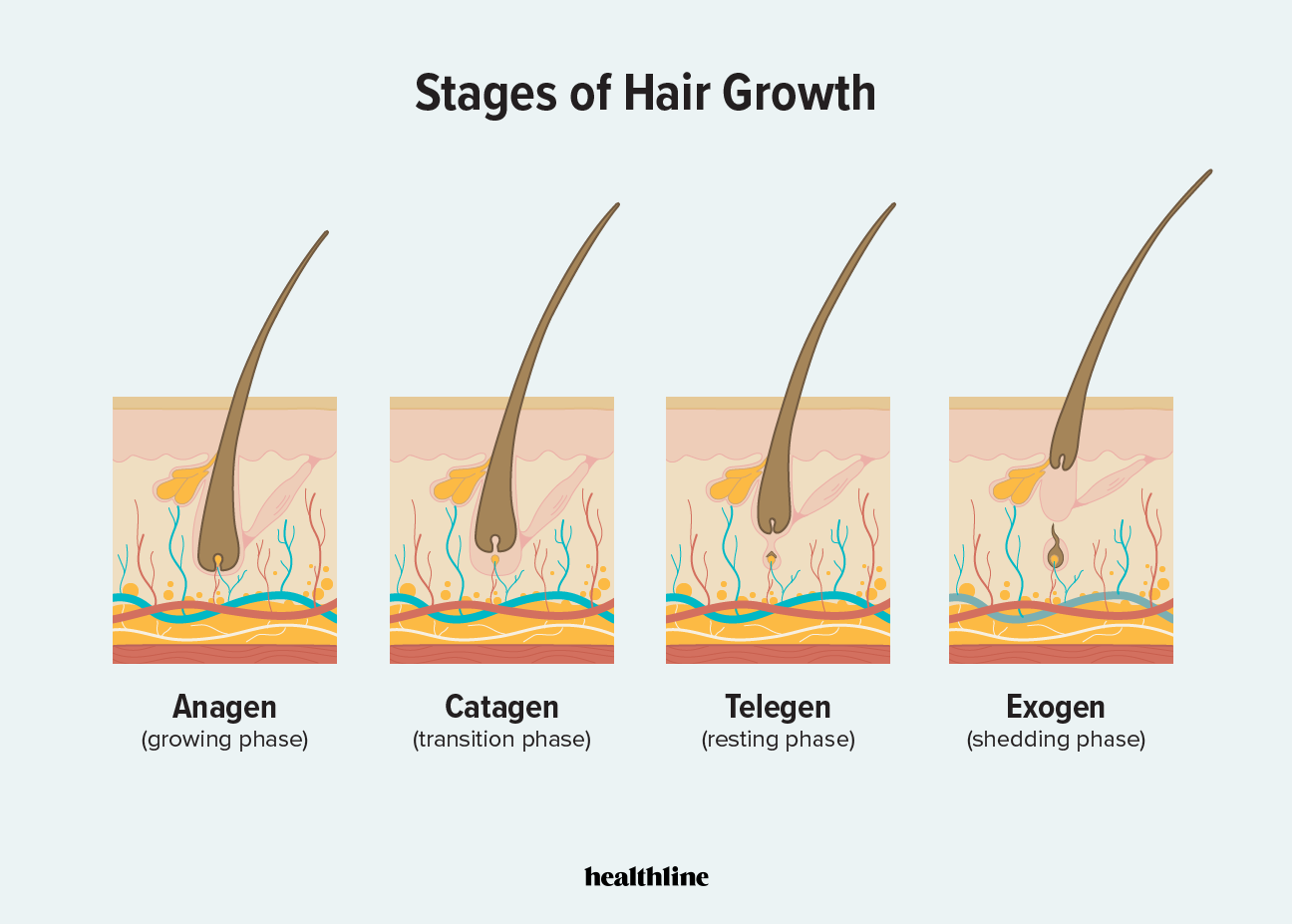
The Hair Growth Cycle Guide To The Stages of Hair Growth

Table Of Content The Structure and Growth Cycle of Hair Follicles Symptoms of Hair Loss Anagen Phase Makeup & Skincare 2024 Briogeo Deep...