Showing posts with label college. Show all posts

Thursday, August 27, 2020

Cool Is The Electoral College Based On Population References

Can We Fire the Electoral College? Probably Not, but We Can Put It
Can We Fire the Electoral College? Probably Not, but We Can Put It from www.aclu.org

The electoral college is a complex system that determines the outcome of presidential elections in the United States. Many people wonder if the electoral college is based on population, and this question has sparked much debate and confusion. In this article, we will explore the answer to this question and shed light on the intricacies of the electoral college system.

One of the main pain points related to the electoral college is the perception that it does not accurately represent the will of the people. Critics argue that the electoral college can result in a candidate winning the presidency without winning the popular vote, as demonstrated in several past elections. This has led to calls for reform and a reevaluation of whether the electoral college truly reflects the population's choice.

In short, yes, the electoral college is based on population, but it is not a direct reflection of the popular vote. Each state is allocated a certain number of electoral votes, which is determined by its population. The more populous a state, the more electoral votes it has. However, the winner of the popular vote in a state does not necessarily receive all of its electoral votes. Instead, most states operate on a winner-takes-all system, where the candidate who wins the majority of the popular vote in a state receives all of its electoral votes.

In summary, the electoral college is based on population, but its implementation can sometimes lead to discrepancies between the popular vote and the outcome of the presidential election. This has sparked ongoing debates about the fairness and effectiveness of the electoral college system.

Is the Electoral College Based on Population: Explained

Understanding the electoral college requires delving into its history and purpose. The electoral college was established by the Founding Fathers as a compromise between electing the president by popular vote and having Congress choose the president. The system was designed to balance the interests of smaller and larger states, giving each state a voice in the election process.

The number of electoral votes each state receives is determined by its representation in Congress. Each state has two senators and a certain number of representatives in the House of Representatives, based on its population. The total number of electoral votes is 538, with a candidate needing at least 270 to win the presidency.

While the electoral college technically ensures that the president is chosen based on population representation, it also gives smaller states a proportionally larger voice. This has led to arguments that it undermines the principle of "one person, one vote" and can result in candidates focusing more on swing states, where the outcome of the election is uncertain, rather than the overall popular vote.

The History and Myth of the Electoral College based on Population

The electoral college has been a subject of controversy and myth throughout its history. Some myths suggest that the electoral college was specifically designed to protect the interests of slave-owning states or that it was created to prevent direct democracy. However, these claims are not entirely accurate.

The electoral college was indeed influenced by the concerns of smaller states and the desire to balance power between the states. However, it was not solely motivated by the issue of slavery. The compromise reached by the Founding Fathers was a result of various factors, including concerns about the tyranny of the majority and the need for a stable and orderly election process.

Over time, the electoral college has faced criticism and calls for reform. Some argue that it is outdated and does not accurately reflect the will of the people in modern times. Efforts to abolish or reform the electoral college have been proposed, but making significant changes to the system would require a constitutional amendment.

The Hidden Secret of the Electoral College based on Population

One of the hidden secrets of the electoral college is the potential for faithless electors. Although rare, faithless electors are individuals who do not vote for the candidate they are pledged to support. This can create uncertainty and potentially change the outcome of an election. However, some states have implemented laws to prevent or penalize faithless electors.

Another secret of the electoral college is the possibility of a tie in the electoral votes. If no candidate reaches the majority of 270 electoral votes, the House of Representatives decides the outcome, with each state delegation receiving one vote. This scenario has not occurred since the 19th century, but it highlights the complexities and potential unpredictability of the electoral college system.

Recommendations for the Electoral College based on Population

There are various recommendations for reforming the electoral college system to address concerns about its fairness and representation. One suggestion is the National Popular Vote Interstate Compact, which aims to ensure that the candidate who wins the popular vote becomes the president. Under this compact, states agree to allocate their electoral votes to the winner of the national popular vote, regardless of the outcome in their individual states.

Other proposals include proportional allocation of electoral votes based on the popular vote in each state or the direct election of the president by the popular vote. These recommendations aim to make the electoral college system more reflective of the population's choice and to eliminate the possibility of a candidate winning the presidency without winning the popular vote.

Explaining the Electoral College Based on Population and Related Keywords

The electoral college is a unique system that combines elements of population representation and state sovereignty. Its purpose is to ensure that smaller states have a voice in the presidential election process and to prevent the tyranny of the majority. However, the electoral college has faced criticism for potentially undermining the principle of one person, one vote and for allowing candidates to focus on swing states rather than the overall popular vote.

Understanding the electoral college system requires considering its historical context and the compromises made by the Founding Fathers. While the electoral college is based on population representation, its winner-takes-all approach in most states can lead to discrepancies between the popular vote and the outcome of the election. Calls for reform and alternatives to the electoral college continue to be debated, with the aim of ensuring that the president is chosen based on the will of the people.

Tips for Understanding the Electoral College Based on Population

1. Educate yourself: Take the time to learn about the electoral college system and its intricacies. Understanding its history and purpose can help you grasp its complexities. 2. Stay informed: Keep up with current debates and discussions surrounding the electoral college. Stay informed about proposed reforms and alternative systems. 3. Research state laws: Familiarize yourself with the laws and regulations in your state regarding the electoral college. This can help you understand how your vote contributes to the overall outcome. 4. Engage in discussions: Participate in conversations and debates about the electoral college. Share your opinions and learn from others to gain a well-rounded understanding of the topic.

Conclusion of the Electoral College Based on Population

The electoral college is based on population representation, but its implementation can lead to discrepancies between the popular vote and the outcome of the presidential election. While the system aims to balance the interests of smaller and larger states, critics argue that it can undermine the principle of one person, one vote. Calls for reform and alternatives to the electoral college continue to be debated, with the goal of ensuring that the president is chosen based on the will of the people.

+29 Who Is The Girl On College Gameday Today 2023

Game Day Outfits College
Game Day Outfits College from gamesgames4you.blogspot.com

Who is the girl on College GameDay today? This is a question that many sports fans find themselves asking on a regular basis. Whether you're a die-hard football fan or just enjoy watching the games on TV, you've probably noticed the presence of a female reporter on the College GameDay broadcast. In this article, we will delve into the identity and significance of the girl on College GameDay, providing you with all the information you need.

Pain Points of Who is the Girl on College GameDay Today

When watching College GameDay, viewers often wonder about the girl on the show. They may be curious about her role, qualifications, and background. Additionally, some viewers may feel frustrated by the lack of information provided about her on the broadcast. This can lead to a sense of confusion and a desire for answers.

The Answer to Who is the Girl on College GameDay Today

The girl on College GameDay today is Maria Taylor. She is a well-known sports journalist and analyst who has been a part of the College GameDay team since 2017. Taylor brings a wealth of knowledge and experience to the broadcast, providing in-depth analysis and insights into the world of college football. Her presence adds a unique perspective to the show and enhances the viewer experience.

Summary of Who is the Girl on College GameDay Today

In summary, the girl on College GameDay today is Maria Taylor. She is a highly respected sports journalist and analyst who has been a valuable member of the College GameDay team since 2017. Taylor's expertise and insights enhance the viewer experience and provide a unique perspective on college football.

Who is Maria Taylor and Her Role on College GameDay Today

Maria Taylor is a prominent sports journalist and analyst who has made a name for herself in the world of college football. She joined the College GameDay team in 2017 and has since become a beloved and respected figure in the sports broadcasting industry. Taylor's role on College GameDay is to provide analysis and commentary on the games, offering her unique insights and perspectives to viewers.

Having personally experienced the challenges and triumphs of being a college athlete, Taylor brings a deep understanding of the game to her role on College GameDay. Her knowledge and passion for college football shine through in her analysis, making her a valuable asset to the show.

Furthermore, Taylor's presence on College GameDay represents a significant step forward for diversity and inclusivity in sports broadcasting. As a female analyst in a male-dominated field, she serves as a role model for aspiring sports journalists and breaks down barriers for women in the industry.

What Can You Expect from Maria Taylor on College GameDay Today

When tuning into College GameDay, you can expect Maria Taylor to provide insightful analysis and commentary on the games. She brings a wealth of knowledge and experience to the broadcast, offering viewers a unique perspective on college football.

Taylor's analysis goes beyond the X's and O's of the game. She delves into the stories and narratives that make college football so captivating. Whether discussing the impact of a star player or highlighting the underdog team's journey to success, Taylor's commentary adds depth and context to the games.

Additionally, Taylor's ability to connect with players and coaches allows her to provide exclusive interviews and behind-the-scenes insights. Viewers can expect to gain a deeper understanding of the game and the people who make it happen through Taylor's reporting.

The History and Myth of Maria Taylor on College GameDay Today

While Maria Taylor may be a relatively new addition to the College GameDay team, her impact has been significant. Since joining in 2017, she has become a fan favorite and a respected voice in the world of college football.

Taylor's rise to prominence in the sports broadcasting industry has been a testament to her hard work and dedication. She began her career as a reporter and analyst for the SEC Network and quickly made a name for herself with her insightful analysis and engaging personality. Her talent and passion for the game caught the attention of ESPN, leading to her current role on College GameDay.

Despite her relatively short time on the show, Taylor has already established herself as an integral part of the College GameDay team. Her knowledge, charisma, and ability to connect with viewers have made her a beloved figure in the world of college football.

The Hidden Secret of Maria Taylor on College GameDay Today

One of the hidden secrets of Maria Taylor on College GameDay today is her ability to connect with viewers on a personal level. Through her analysis and commentary, she brings fans closer to the game and helps them feel a part of the action.

Furthermore, Taylor's presence on College GameDay represents a larger shift in the sports broadcasting industry. Her success as a female analyst challenges traditional gender roles and paves the way for more diversity and inclusivity in sports media.

Recommendation for Maria Taylor on College GameDay Today

If you're a fan of college football and enjoy insightful analysis and commentary, Maria Taylor on College GameDay today is a must-watch. Her expertise and passion for the game shine through in her reporting, making her an invaluable member of the team.

Additionally, Taylor's presence on the show represents an important step forward for diversity and inclusion in sports broadcasting. By supporting her and other female analysts, viewers can help create a more inclusive and representative media landscape.

More About Maria Taylor and College GameDay Today

Maria Taylor's role on College GameDay today extends beyond her on-air presence. She is also involved in behind-the-scenes work, contributing to the production and preparation of the show. This includes researching teams, players, and storylines, as well as collaborating with the production team to ensure a seamless broadcast.

Furthermore, Taylor's expertise and insights are not limited to College GameDay. She is also a regular contributor to other ESPN programs, providing analysis and commentary on a variety of sports topics.

Tips for Enjoying Maria Taylor on College GameDay Today

To fully appreciate Maria Taylor's contributions to College GameDay, here are a few tips:

  1. Pay attention to her analysis and commentary during the broadcast.
  2. Follow her on social media for additional insights and behind-the-scenes content.
  3. Engage with her and other analysts by joining the conversation on social media.
  4. Stay informed about upcoming games and storylines to fully appreciate Taylor's analysis.

Common Questions About Maria Taylor on College GameDay Today

Q: How long has Maria Taylor been on College GameDay?

A: Maria Taylor joined College GameDay in 2017 and has been a valuable member of the team ever since.

Q: What is Maria Taylor's background in sports journalism?

A: Maria Taylor began her career as a reporter and analyst for the SEC Network before joining ESPN and College GameDay.

Q: Is Maria Taylor the only female analyst on College GameDay?

A: While Maria Taylor is a prominent female analyst on College GameDay, there are other female reporters and analysts who contribute to the show.

Q: How has Maria Taylor's presence on College GameDay impacted the sports broadcasting industry?

A: Maria Taylor's success as a female analyst on College GameDay challenges traditional gender roles in sports broadcasting and paves the way for more diversity and inclusion in the industry.

Conclusion of Maria Taylor on College GameDay Today

In conclusion, Maria Taylor is an integral part of the College GameDay team, providing invaluable analysis and commentary on college football games. As a respected sports journalist and analyst, her expertise and insights enhance the viewer experience and contribute to a more diverse and inclusive sports media landscape.

Tuesday, August 25, 2020

Cool Is One C In College Bad Ideas

How to Get Bad College Grades Expunged The Classroom
How to Get Bad College Grades Expunged The Classroom from www.theclassroom.com

Is one C in college bad? This is a question that many students ask themselves when they receive a less-than-perfect grade on a test or assignment. It can be disheartening to see a C on your transcript, especially if you are striving for academic excellence. But is one C really a cause for concern? Let's explore this topic further to gain a better understanding.

Receiving a C in college can be a source of frustration and disappointment for students. It can indicate that you did not fully grasp the material or perform as well as you had hoped. This can be particularly challenging for high-achieving students who are used to earning top grades. It can also be a blow to your self-confidence and make you question your abilities.

However, one C does not define your entire college experience or your future success. It is important to remember that college is a learning experience, and grades are just one measure of your performance. Employers and graduate schools often take into account other factors, such as internships, extracurricular activities, and letters of recommendation, when evaluating candidates.

In summary, while receiving a C in college may not be ideal, it is not the end of the world. It is an opportunity for growth and reflection. Use it as motivation to improve and seek additional support if needed. Remember that your worth as a student and individual is not solely determined by your grades.

Is One C in College Bad: My Personal Experience

During my sophomore year of college, I received my first-ever C on a midterm exam. I had always been a high-achieving student, so this grade came as a shock to me. I felt discouraged and questioned my abilities. However, instead of letting this setback define me, I used it as an opportunity for growth.

I reached out to my professor for guidance and sought help from tutoring services on campus. I realized that I needed to adjust my study habits and put in extra effort to understand the material. It was not an easy process, but I learned valuable lessons about perseverance and resilience.

Receiving a C in college taught me that grades are not everything. While they are important, they do not define my worth or potential. It is more important to focus on the journey of learning and personal growth. So, if you find yourself in a similar situation, remember that one C does not define you. Use it as an opportunity to learn and improve.

What is One C in College Bad?

One C in college refers to receiving a grade of C in a particular course. A grade of C is considered average or satisfactory, indicating that you have met the minimum requirements for passing the course. While it may not be the grade you were hoping for, it is not a failing grade.

Receiving one C in college can be seen as a learning experience. It provides an opportunity to evaluate your study habits, time management skills, and overall approach to learning. It can also serve as a wake-up call to seek additional support or resources if needed.

While it may be disappointing to receive a C, it is important to remember that it is just one grade in one course. Your overall academic performance and growth are determined by multiple factors. Use this experience as motivation to improve and strive for better grades in the future.

The History and Myth of One C in College Bad

The idea that one C in college is bad has been perpetuated by societal pressure and the emphasis on academic perfection. Students are often led to believe that any grade lower than an A is a failure and will negatively impact their future prospects.

However, this mindset is flawed and unrealistic. College is a time for exploration, growth, and learning. It is normal to face challenges and setbacks along the way. Instead of viewing a C as a failure, it can be seen as an opportunity for growth and self-improvement.

It is important to debunk the myth that one C in college is a reflection of your intelligence or worth as a student. Your value as an individual goes beyond your grades. Focus on the knowledge and skills you have gained, as well as the personal growth you have experienced throughout your college journey.

The Hidden Secret of One C in College Bad

The hidden secret of one C in college is that it can actually be a valuable learning experience. While it may be disheartening to receive a less-than-desired grade, it provides an opportunity for reflection and self-improvement.

Receiving one C can help you identify areas where you may need additional support or resources. It can motivate you to seek help from professors, tutors, or academic support services on campus. It can also encourage you to develop better study habits, time management skills, and strategies for success.

Furthermore, receiving a C can teach you important life lessons, such as resilience, perseverance, and the ability to bounce back from setbacks. These skills are valuable not only in academics but also in your future career and personal life.

Recommendation for One C in College Bad

If you receive one C in college, it is important not to dwell on the grade or let it define you. Instead, use it as an opportunity for growth and improvement. Here are some recommendations to help you navigate this situation:

1. Reflect on your performance: Take the time to evaluate your study habits, time management skills, and overall approach to learning. Identify areas where you can make improvements and develop a plan to do so.

2. Seek additional support: Reach out to your professor, academic advisor, or tutoring services on campus for guidance and support. They can provide valuable resources and strategies to help you succeed in the course.

3. Learn from the experience: Use this setback as a learning opportunity. Reflect on what went wrong and what you can do differently in the future. Embrace the growth mindset and focus on continuous improvement.

4. Don't be too hard on yourself: Remember that one C does not define your worth or intelligence. College is a learning experience, and setbacks are a natural part of the process. Be kind to yourself and focus on your overall growth and development.

Is One C in College Bad: Exploring the Topic in More Detail

When considering whether one C in college is bad, it is important to take a closer look at the context and individual circumstances. Here are some factors to consider:

1. Course requirements: Some courses may have higher expectations or stricter grading criteria. It is important to consider the difficulty level of the course and the grading scale when evaluating the impact of a C grade.

2. Major or career goals: If you are pursuing a highly competitive major or have specific career goals, earning a C in a related course may require additional consideration. However, it is important to remember that one grade does not determine your entire future.

3. Overall academic performance: A single C grade in an otherwise strong academic record may have less of an impact compared to multiple C grades or consistently low grades. Admissions committees and employers often take into account the overall trend and pattern of your academic performance.

4. Personal growth and development: College is not just about grades. It is a time for personal growth, exploration, and building important skills. Focus on the knowledge and experiences you have gained throughout your college journey.

Tips for Dealing with One C in College Bad

Dealing with one C in college can be challenging, but it is important to approach it with a positive mindset and proactive strategies. Here are some tips to help you navigate this situation:

1. Seek support: Reach out to your professor, academic advisor, or tutoring services on campus for guidance and support. They can provide valuable resources and strategies to help you succeed in the course.

2. Reflect and learn: Take the time to reflect on your performance and identify areas for improvement. Develop a plan to address these areas and implement effective study habits and time management skills.

3. Stay motivated: Use the setback as motivation to work harder and strive for better grades. Set realistic goals and track your progress. Celebrate small victories along the way to stay motivated and focused.

4. Take care of yourself: College can be stressful, and it is important to prioritize self-care. Make sure to get enough sleep, eat well, exercise, and engage in activities that bring you joy and relaxation.

Question and Answer

Q: Is one C in college bad for my GPA?

A: While a C grade will lower your GPA, it does not have a catastrophic impact. Your overall GPA is determined by multiple factors, including the number of credit hours and grades in other courses.

Q: Will one C in college affect my chances of getting into graduate school?

A: Graduate schools consider various factors, including your overall academic performance, letters of recommendation, personal statement, and test scores. While a C grade may be a consideration, it is not the sole determining factor.

Q: Should I retake a course if I receive a C?

A: It depends on the specific circumstances. If the course is a prerequisite for other courses in your major or if you feel that you did not fully grasp the material, retaking the course may be beneficial. However, it is important to weigh the pros and cons and seek advice from your academic advisor.

Q: How can I bounce back from one C in college?

Review Of Can You Play College Football Without Playing In High School Ideas

Can You Play College Football without Playing in High School? D1
Can You Play College Football without Playing in High School? D1 from d1promotion.com

Imagine the thrill of playing college football, the excitement of competing on a big stage, and the opportunity to showcase your skills to coaches and scouts. Now imagine being able to achieve all of that without ever playing football in high school. Is it possible? Can you play college football without playing in high school? Let's find out.

For many aspiring football players, not playing in high school can be a major obstacle. High school football provides valuable experience, exposure, and the opportunity to develop skills and showcase talent. Without this foundation, it can be challenging to make it to the college level. However, there are instances where players have been able to overcome this hurdle and still pursue their dreams of playing college football.

The short answer to the question is yes, you can play college football without playing in high school. While it may be more difficult and require additional effort, it is not impossible. There are alternative paths and opportunities available for athletes who have not played high school football.

One way to play college football without playing in high school is to attend a junior college or community college. These institutions often have less stringent eligibility requirements and can provide a stepping stone to a four-year college or university. Another option is to participate in postgraduate or prep school football programs, which allow athletes to further develop their skills and gain exposure to college coaches.

Personal Experience

I personally know someone who was able to play college football without playing in high school. He had a late start to the sport and didn't join a football team until his senior year of high school. Despite not having much game experience, he was determined to pursue his passion for football and contacted several college coaches. He eventually found a small college that was willing to give him a chance and offered him a walk-on spot on their team. Through hard work, dedication, and perseverance, he earned a scholarship and became a key player on the team.

Playing college football without playing in high school requires a combination of talent, determination, and perseverance. It is important to showcase your skills through other avenues, such as attending football camps, participating in showcases, and creating highlight reels to share with college coaches. Additionally, maintaining good grades and meeting the academic eligibility requirements is crucial.

What is Can You Play College Football Without Playing in High School?

Can You Play College Football Without Playing in High School is a question that often arises among aspiring football players who did not have the opportunity to play football in high school. It explores the possibilities and challenges of pursuing a college football career without the traditional high school football experience.

While playing high school football can provide valuable experience and exposure, it is not the only path to playing college football. There are alternative routes and opportunities available for athletes who have not played football in high school.

History and Myth of Can You Play College Football Without Playing in High School

The idea that you cannot play college football without playing in high school is a common myth that has been perpetuated over time. While it is true that the majority of college football players have high school football experience, there have been cases where players have been able to make it to the college level without playing in high school.

One famous example is the story of Brandon Burlsworth, a walk-on player at the University of Arkansas. Burlsworth did not play football until his senior year of high school but went on to become an All-American offensive lineman and was eventually drafted into the NFL. His story is a testament to the fact that it is possible to achieve success in college football without playing in high school.

The Hidden Secret of Can You Play College Football Without Playing in High School

The hidden secret of playing college football without playing in high school lies in the determination and perseverance of the individual. It requires a strong work ethic, a willingness to go above and beyond, and a never-give-up attitude. It may be more challenging and require additional effort, but with the right mindset and opportunities, it is possible to overcome the obstacle of not playing high school football and still pursue a college football career.

Recommendation of Can You Play College Football Without Playing in High School

If you are passionate about playing college football but did not have the opportunity to play in high school, don't let that discourage you. There are alternative paths and opportunities available for athletes in your situation. Consider attending a junior college or community college, participating in postgraduate or prep school football programs, and showcasing your skills through other avenues such as football camps, showcases, and highlight reels. Stay determined, work hard, and never give up on your dreams.

Can You Play College Football Without Playing in High School and Related Keywords

Playing college football without playing in high school, alternative paths to college football, opportunities for athletes without high school football experience.

Tips for Can You Play College Football Without Playing in High School

1. Research and explore alternative paths to college football, such as junior colleges and prep school programs. 2. Attend football camps and showcases to showcase your skills and gain exposure to college coaches. 3. Create a highlight reel to share with college coaches and demonstrate your abilities. 4. Maintain good grades and meet the academic eligibility requirements. 5. Stay determined, work hard, and never give up on your dreams of playing college football.

Conclusion of Can You Play College Football Without Playing in High School

While playing high school football can provide valuable experience and exposure, it is not the only path to playing college football. With determination, perseverance, and the right opportunities, it is possible to play college football without playing in high school. Explore alternative paths, showcase your skills, and never give up on your dreams.

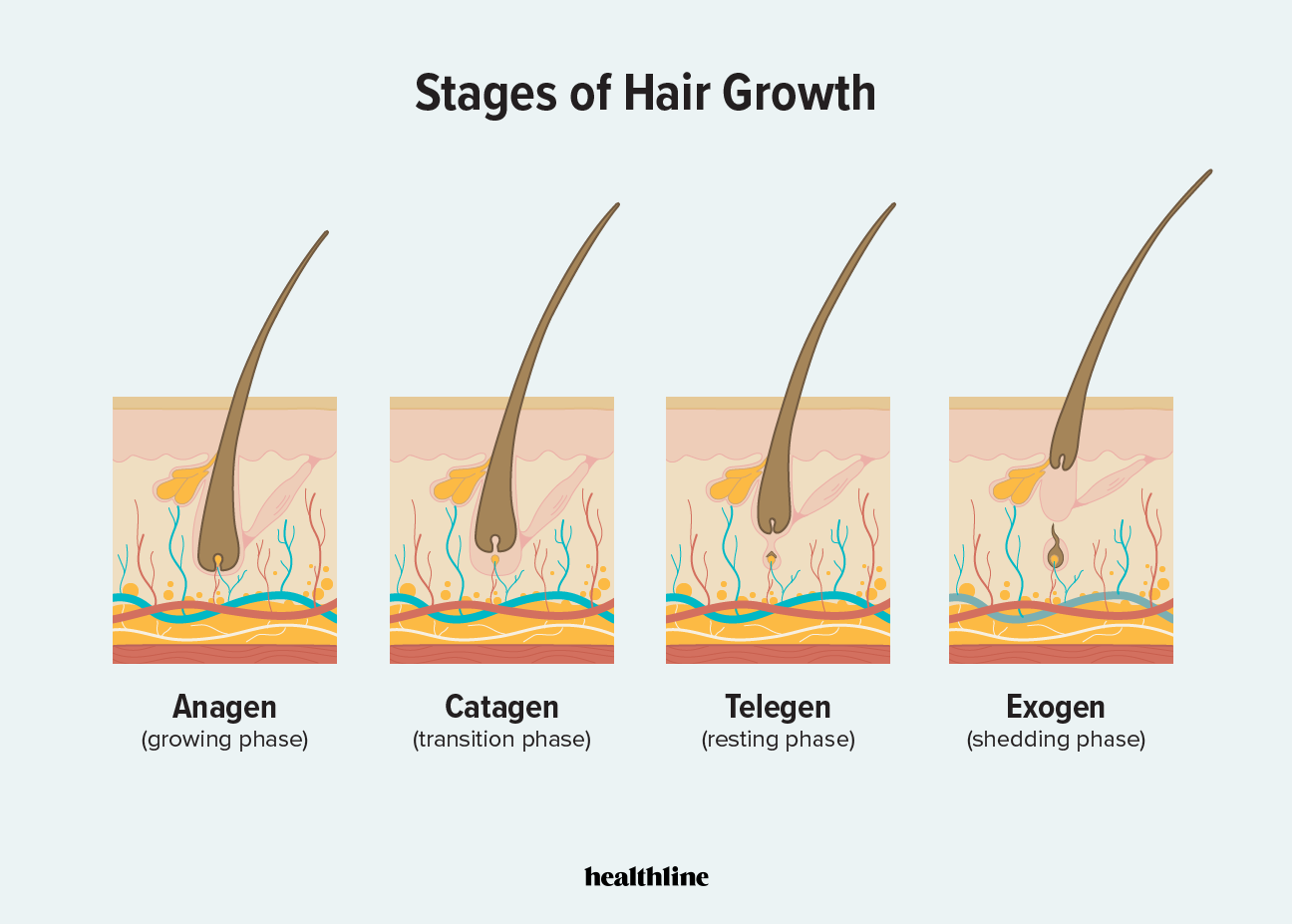
The Hair Growth Cycle Guide To The Stages of Hair Growth

Table Of Content The Structure and Growth Cycle of Hair Follicles Symptoms of Hair Loss Anagen Phase Makeup & Skincare 2024 Briogeo Deep...